


Behind The Build: Why Your Home’s "Skin" Matters

.png)
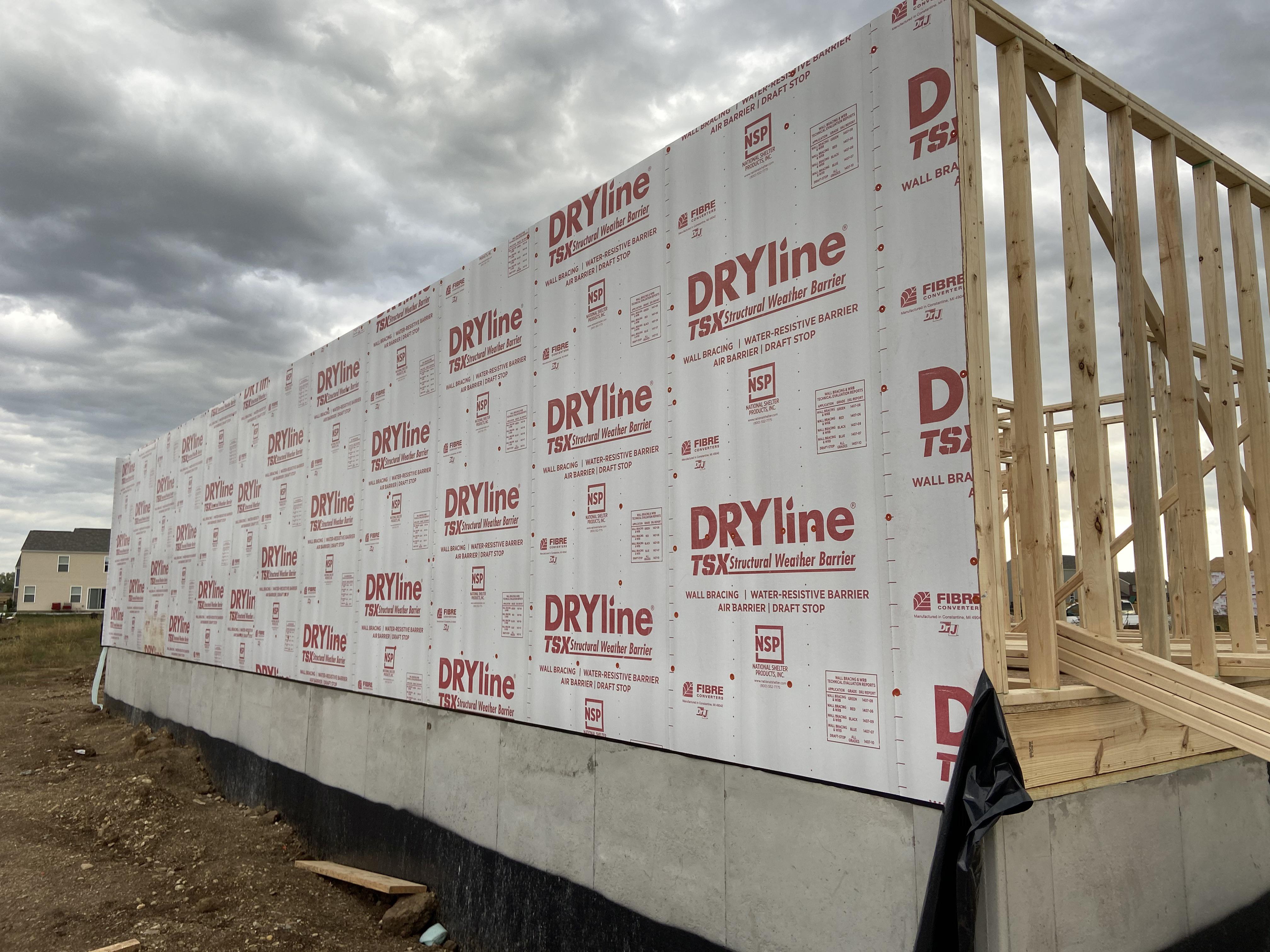
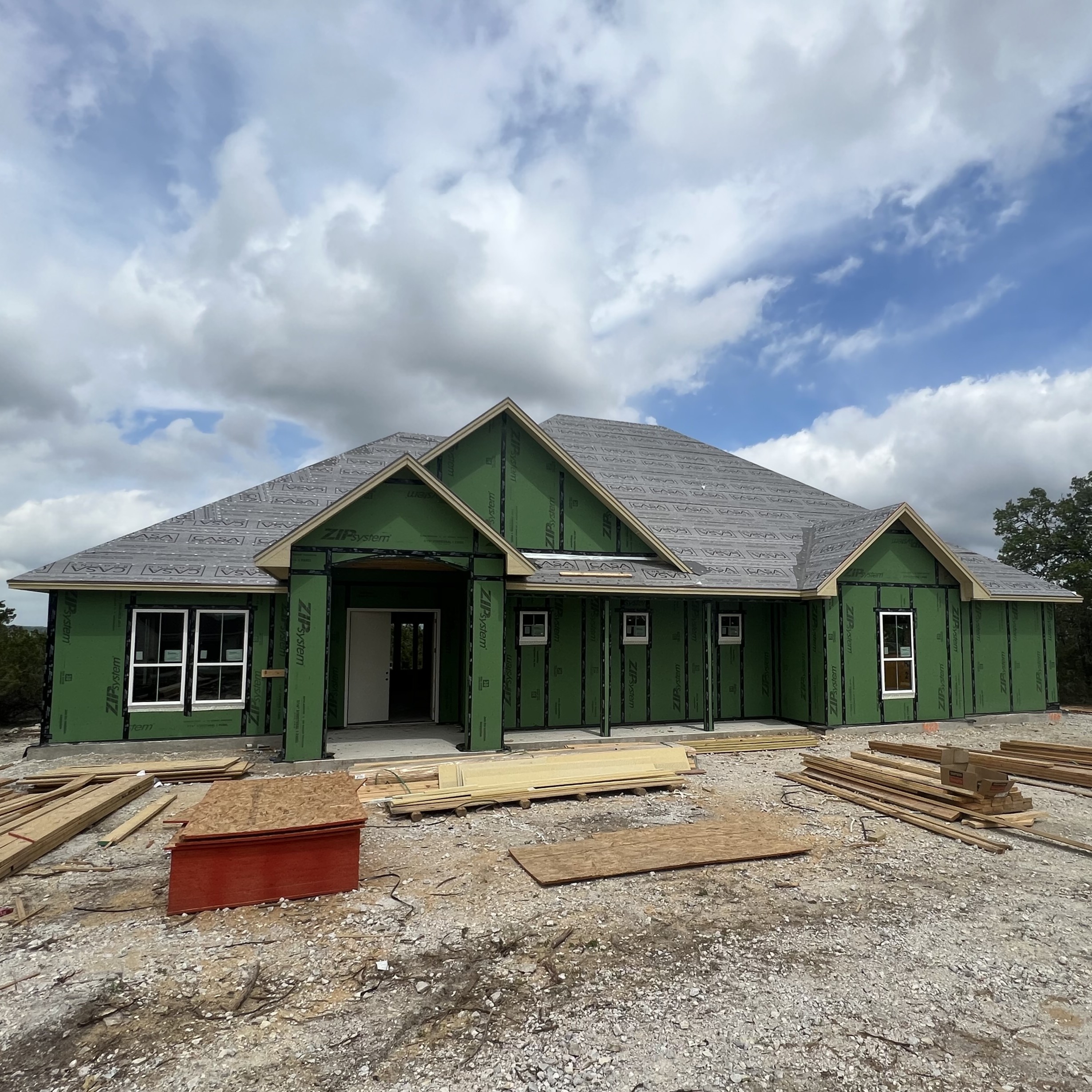
When you’re driving through the growing neighborhoods of the Greater San Antonio area, you might notice new homes under construction sporting different colors. Some are wrapped in a thin white or silver material, while others—like those we build at Joseph Creek Homes—feature a distinct green "skin."
While these choices might seem like minor construction details, they actually represent a fundamental difference in how your home will perform over the next thirty years. Today, we’re breaking down the science behind Huber ZIP System® wall sheathing versus DRYline® TSX, and why we believe your family deserves the superior protection of a high-performance building envelope.
1. Structural Strength: Resisting the Texas Elements
San Antonio and the surrounding Hill Country are no strangers to high winds and unpredictable weather. Your home’s sheathing is its primary defense against "racking"—the leaning force caused by wind.
- The ZIP System Advantage: Built on high-quality engineered wood (OSB), ZIP panels provide full structural performance. Many of our panels carry a "Structural 1" rating, meaning they are engineered for high-wind events like those seen in "Tornado Alley" or hurricane zones.
- The DRYline Reality: DRYline TSX is a much thinner, lightweight fiberboard. While it meets the basic building codes, independent testing shows it often delivers significantly lower shear and wind resistance compared to the rigid wood panels used in the ZIP System.
The Bottom Line: In a high-wind event, the rigid wood of a ZIP System home offers better long-term wall stability and peace of mind.
2. Moisture and Weather Resistance
Texas humidity is relentless. If moisture gets trapped behind your siding, it can lead to rot, mold, and structural degradation.
- ZIP System: Features a factory-applied weather barrier permanently bonded to the wood. When our teams seal the seams with specialized ZIP System tape, it creates a continuous drainage plane. It’s tough, resists tearing during construction, and doesn’t degrade when exposed to the elements.
- DRYline TSX: This product uses water-resistive facers to act as a built-in barrier. However, because the material is thinner and fiber-based, it is more vulnerable to punctures from staples or jobsite accidents. If that outer skin is compromised, moisture can enter the core of the panel much more easily.
3. Energy Efficiency & Air Sealing
Did you know that air leakage can account for a massive portion of your monthly cooling costs? A "leaky" house forces your AC to work overtime in the July heat.
- A Continuous Seal: When taped correctly, the ZIP System forms a superior continuous rigid air barrier. This can reduce air leakage by 25–40% compared to traditional methods. This translates directly to lower utility bills, better indoor air quality, and a more comfortable home.
- Standard Options: Thinner, more flexible materials like DRYline rely heavily on perfect stapling and taping to maintain a seal. Because the material can flex, it rarely achieves the same airtight "envelope" as a rigid system, often leading to inferior results on blower-door tests.
4. Investing in Quality vs. Cutting Costs
It is no secret in the industry that DRYline TSX is a popular choice for high-volume production builders because it is significantly cheaper—often saving thousands of dollars per house in material costs alone.
At Joseph Creek Homes, we choose the ZIP System because we aren't just building for today; we’re building for the future. We prioritize:
- Fewer Callbacks: Superior air and water sealing means fewer leaks and drafts down the road.
- Long-Term Reliability: ZIP System comes with a 30-year limited warranty, backed by a track record of excellence in premium home building.
- Better Resale Value: A home built with high-performance materials is a home that holds its value.
Final Thoughts
If you are currently walking through model homes and comparing builders, look at the "bones" of the house. If you see that green ZIP System sheathing, you’re looking at a builder who has prioritized structural integrity and energy efficiency over the cheapest possible bottom line.
Is your current builder using ZIP or DRYline? Ask them about their shear wall calculations and blower-door results to see the difference for yourself!
Ready to build a home that’s stronger, tighter, and more efficient?
Let’s talk about your vision for a custom home in the San Antonio area.
Patrick Thompson
Joseph Creek Homes
Building Better, One Home at a Time.
Read our "Behind The Build" series!

